
2026 Dental Technology Trends Patients Should Know About

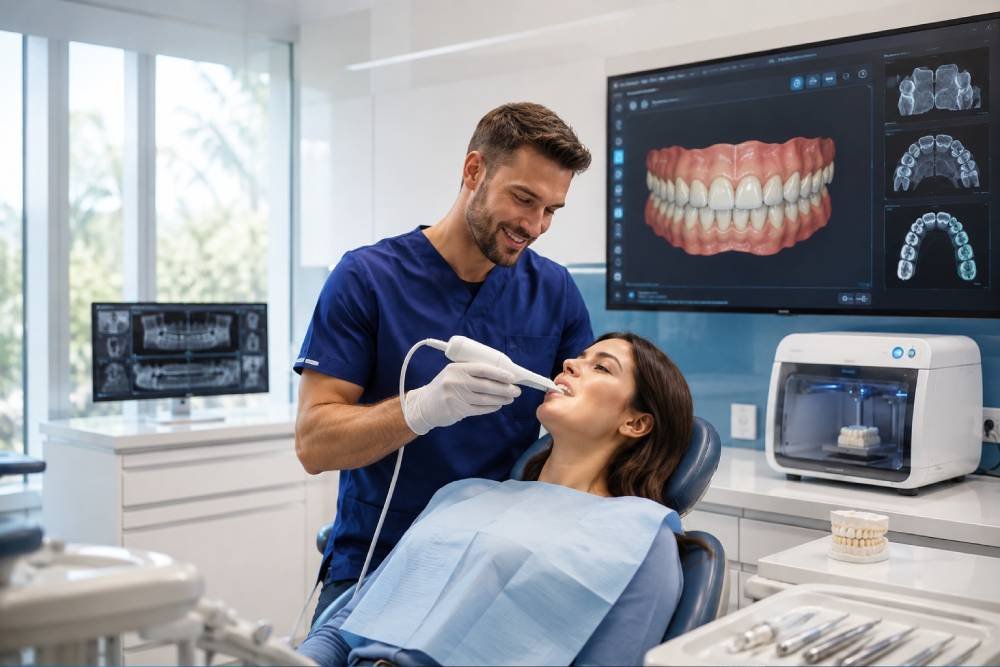
Advanced dental technology focuses on improving diagnosis and treatment procedures. It combines digital, AI-driven, and precision-engineering features in clinical dentistry to deliver high-quality cosmetic and restorative care. Today, you can expect a fast timeline, comfort, and accuracy with the latest dental technologies.
From artificial intelligence and 3D printing to digital workflows, the new dental technologies in 2026 are collectively improving the treatment experience while helping clinics work smarter and more effectively. Here, we will explore the most important innovations shaping the future of dentistry and what they mean for dental practices.
1. 3D Printing and Same Day Restorative Care
3D printing is a method that enables the creation of custom restorations, temporary crowns, surgical guides, and dentures with extensive detail. This treatment can be done on the same day, and you can easily return to your day-to-day activities or return to work. Advantages of 3D printing dental treatment include:
- Faster treatment plans
- Less appointments
- Convenience and more comfort
- Better-fitting dental repair
This latest advancement enhances dental implant services by providing more accurate surgical guides and implant restorations, leading to better results and a smoother treatment process.
2. CAD/CAM technology
CAD/CAM is the latest advancement in dental technology, transforming how dental restorations are made. Even the best dentist in Punjab says that this latest technology allows dentists to create personalised, custom-fit crowns, bridges, and veneers in just one visit. On the same day, restorative care can save time for both patients and healthcare professionals while ensuring high accuracy and quality of care. The faster the treatment process, the more it improves your satisfaction by reducing wait times and the need for multiple appointments.
3. Guided Implant Surgery
Dental implant procedures have become much safer and more predictable with digital planning and guided surgery. Using the advanced CBCT scans and the digital surgical guides. Dentists can plan implant placement with greater accuracy while taking care of other structures, such as nerves and sinuses. This also reduces the risk of surgical complications and supports better healing after the procedures. Guided implant surgery reduces discomfort, offers quicker recovery, and increases the likelihood of long-term implant success.
4. Cloud-based dental software
Modern dental practices are relying on cloud-based platforms to manage the data more efficiently:
- Having easy access to treatment history
- Quick collaboration between the specialists
- Seamless communication with the labs
- Safe and secure patient record storage
These systems improve workflow efficiency and reduce the administrative burden.
5. Artificial Intelligence
AI is one of the biggest dental advancements in 2026. It is focusing more on treatment planning, diagnostics, and patient communication. And the integration of AI-powered software into dentistry can:
- Helps to identify the dental challenges before manual diagnosis
- Detect and examine cavities and gum disease from X-rays
- Assist in treatment planning with a higher percentage of accuracy.
- Reduces human error
AI can help you in two ways, leading to earlier detection and better outcomes. For dentists, it improves confidence and expertise during diagnosis and treatment planning.
6. Intraoral Scanners
Intraoral scanners are replacing the traditional dental impressions, making the process even faster, cleaner and more comfortable for you. In this, Dentists use a small handheld scanner to capture highly accurate 3D digital images of the teeth and gums in a short time. These detailed scans help to create custom-made crowns, veneers, bridges, clear aligners, and other dental restorations with improved accuracy. Other than that, the digital workflow also speeds up the treatment planning, reduces the need for repeat impressions, and improves the communication between dental clinics and laboratories. At the end, you may expect a more comfortable experience with better-fitting restoration and fewer visits to the dentist.
7. Laser Dentistry
Laser dentistry is a modern treatment that is commonly used by dentists worldwide. This treatment allows the healthcare professionals to treat tissues with minimal cutting, less bleeding, and quicker healing while maintaining the desired comfort.
This technology also removes bacteria, making it helpful for treatments such as root canal therapy, gum care, and infection management. By targeting problem areas while preserving healthy tissue, laser dentistry often reduces the need for more invasive procedures later. If you feel anxious about drills, needles, or other traditional dental procedures, laser dentistry can be a comfortable alternative. It offers faster healing with minimal bleeding, reduces the risk of gum infections and pigmentation, and is also helpful for treatments such as teeth whitening and gum reshaping.
8. Teledentistry and Virtual Consultations
Teledentistry is not replacing in-office dental visits, but it is changing how the dental journey begins. Through virtual consultations, you can now connect to your dentist from the comfort of your home for initial assessments, treatment discussions, and follow-up care. This approach makes dental care more convenient while saving time and reducing unnecessary clinic visits.
Some key benefits of teledentistry include:
- Easy follow-up consultations after dental procedures
- Limited clinic visits for routine consultations
- Offers easy access to second opinions from dental specialists
- Saves travel time
- Consult with your doctor from the comfort of your home
- Ensures better communication
While many treatments still require an in-person visit, teledentistry helps streamline the consultation process and makes dental care more accessible, efficient, and patient-friendly.
How can these technological changes help you?
New dental technologies in 2026 are designed primarily to focus on patients' health. The major benefits include:
- Less discomfort and anxiety
- Enhanced long-term oral health
- Higher accuracy and comfort
- Shorter treatment times
Patients receive customised treatment plans tailored to their oral health, delivering faster, more accurate results without compromising quality.
Conclusion
Dental care in 2026 is more advanced, patient-focused and sophisticated than ever. 3D printing, CAD/CAM systems, guided implant surgery, and more are transforming how dentists diagnose and treat oral health conditions. You may benefit from faster procedures, fewer appointments and improved precision for the better long-term results.
As these technologies continue to advance, dental care will become even more personalised and convenient. Overall, choosing a dental clinic that invests in a Modern technology can ensure safe procedures and enhanced comfort, helping you feel more confident about your oral health.
As these latest technologies continue to advance in dentistry, dental care will become even more convenient and personalized. At Forever Smiles—the best dental clinic in Raikot, the focus is on combining advanced technology with expert dental care to provide detection on time, comfortable treatments, and long-lasting results. Whether you need preventive, restorative, cosmetic, or implant dentistry, you can expect a safer, more efficient, and patient-centered treatment experience.
FAQs
1. What are the future trends in dentistry?
Future trends in dentistry are increasingly focused on artificial intelligence (AI), 3D printing, and personalised medicine.
2. What is the dental campaign for this year?
"A happy mouth is a happy life" is a major global campaign for World Oral Health Day (WOHD) that focuses on overall oral health.
3. How do I maintain good oral health?
The fundamentals of oral health are brushing your teeth twice a day, flossing daily, maintaining a healthy diet, avoiding alcohol and tobacco, and visiting a dentist for regular checkups.
4. How does advanced dental technology benefit patients?
Advanced dental technology helps provide faster treatments, more accurate diagnoses, fewer appointments, and improved comfort. It also enhances treatment outcomes and supports quicker recovery.