
It is a pain-free dental treatment where your dentist puts strong, protective minerals onto your teeth to fight cavities, and it doesn't require a lot of time or numbing shots.
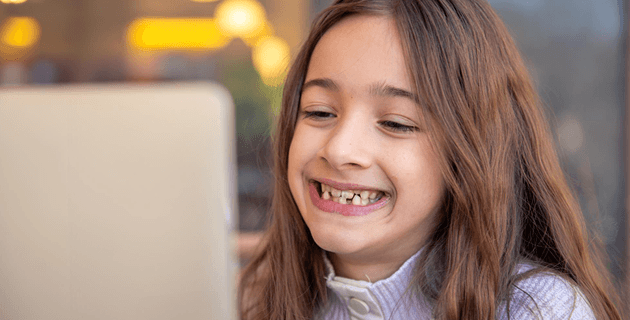
Use of fluoride treatment helps protect your child's teeth from being attacked by bacteria, which can eat the outer layer of their teeth.
Taking this treatment makes your teeth' outer shell stronger, which can make it harder for bacteria to bore through.
This treatment helps children with higher risks, such as those with braces, dry mouth, or decayed areas in their teeth.
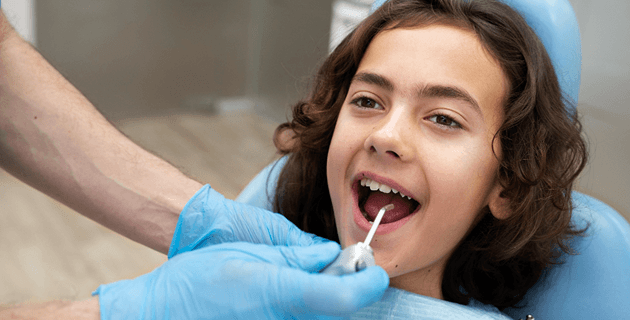
Putting fluoride on a child's tooth, through toothpaste, varnish, gel, or foam, helps rebuild weakened tooth surfaces, makes them strong so acid can not penetrate inside and slows down the chances of having cavities.
Protecting their teeth early stops small spots of decay from turning into painful, expensive, and disruptive health problems. By keeping cavities away through daily brushing and routine checkups, you avoid a chain reaction of dental complications.
Fluoride helps with the development of new teeth and gums that lead to healthier teeth into adulthood.
Through regular exposure, it strengthens tooth enamel and protects both baby (primary) and permanent teeth against decay.
Preparations and positioning
You need some disposable gloves, clean cotton gauze sponges and a single-dose packet of fluoride varnish with a small applicator brush. Open the packet and stir the varnish with a small brush before starting. Have the child sit on the caregiver's lap facing them, then gently lay the child's head back onto your lap while the caregiver holds the child's hands; older children can sit on an Osstem K3 dental chair.
You have to use gentle finger pressure to open the child's mouth and keep the tongue and cheeks out of the way. Use a cotton gauze sponge to wipe away saliva and plaque from a small section of teeth. Do not dry the teeth completely because the varnish needs a tiny bit of saliva to set.
You have to dip the small brush into the varnish and apply a very thin coat onto all surfaces of the dried teeth. It has to be applied in sections, starting with the back teeth and moving forward, drying and painting each at a time. Once the fluoride coating sets on the surface, it slowly releases into the enamel, which prevents decay.
The child should eat soft, warm foods and drinks for the rest of the day. As for hard food they might disturb the movements of teeth and cause severe pain. After fluoride application, you should skip brushing until the next morning to give the fluoride coating time to stay on your teeth to prevent cavities. You should expect some temporary changes on the teeth, like a yellowish tint, that can be brushed off the next morning.
As soon as they get their first tooth, you need to start giving them fluoride and mix it with fluoride water to prevent cavities.
You have to let the child watch a favorite cartoon, listen to music, or hold a comfort toy during the application. Counting down out loud from ten while painting each side helps kids know the process will be over very quickly.
They should not eat food that is difficult to bite or play with dangerous toys that could hurt their teeth while playing.
The process does take time because there are no surgeries involved and no use of anesthesia.
Normally, parents take their kids for this treatment twice a year, and those who have frequent cavities can have it after 3-4 months, especially with braces and dry mouth.
Your child will experience stomach problems because large portions of fluoride irritate the digestive tract, which can cause your child to vomit and feel a burning sensation in the mouth.
Gentle, anxiety-free pediatric dental care led by Dr. Shifali Goel & Dr. Itanshu Goel in Mullanpur Dakha, Ludhiana.