
This is a dental procedure that uses a beam of light to treat teeth and gums, and it helps to ease pain and reduce bleeding.
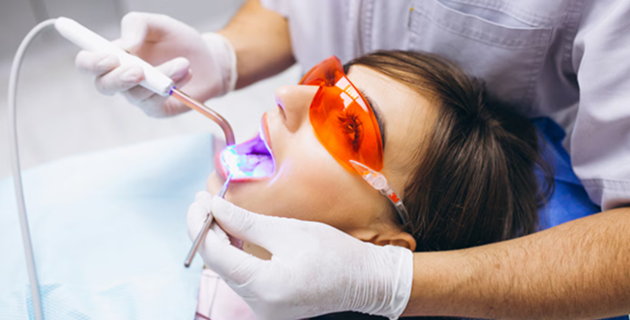
It treats tooth decay, gum diseases, tooth sensitivity, tongue ties and cosmetic gum issues using focused light energy.
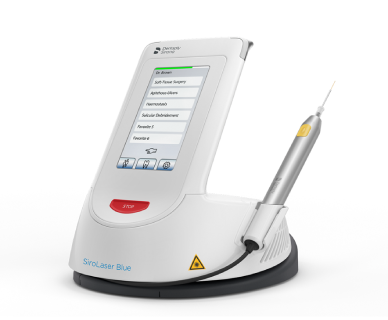
Removes the decayed part, kills bacteria and prepares teeth for filling.
Laser dentistry uses light to block pain signals from reaching the inner nerve of the tooth. Treatment often takes just a few minutes per tooth and usually does not require needles or anesthesia for simple sensitivity.
Laser dentistry helps whiten teeth by using focused light energy to activate and speed up a bleaching gel applied to the teeth, breaking down stains faster than gel alone.
It kills the bacteria that survive near tooth roots, removes infected tissues and reduces the burning gum sensation.
It focuses on reshaping uneven gums, excess gums and uncovering more of a tooth's natural surface above the gumline so a dentist can securely place a crown, filling, bridge, or veneer.
Laser dentistry treats tongue tie by using focused light energy to remove the tight band of tissue that is found under the tongue, allowing it to move freely.
Because dental lasers clean or treat only the sick parts of your mouth while keeping the healthy parts safe. The beam of light doesn't accidentally scratch or damage the good teeth or any tissue around the gums.
It causes less pain and anxiety
Instead of using scary, noisy, or painful tools, doctors choose fewer methods to fix dental problems.
The first thing -your dentist will examine your teeth and gums and take some X-rays to plan a laser that provides successful results. They craft a treatment plan based on the X-ray results and the patient's gum type, which helps them choose the right tools for the procedure.
For gum or tooth decay procedures, your dentists will clean the areas with scaling tools and hand instruments to clear away soft bacterial residues before using a laser for gum or decay treatments. Before turning on the laser, you, the dentist, and any assistants in the room put on special safety glasses. Dental lasers use a powerful beam of light that can harm your eyes, even if it just bounces off a shiny dental mirror.
In gum disease, bacteria are trapped in spaces between your teeth and gums; the laser removes the infected tissues and kills bacteria so the gums can heal back against the tooth. After the laser step, the dentist finishes the tooth and checks how your teeth meet. Then they give you care steps for healing at home.
For home treatments: Do not put a lot of pressure when brushing your teeth to avoid damaging the gums and teeth, which can disturb the healing process. Follow-up visits: You have to go for regular checkups so your dentists can spot hidden dental problems and adjust medications to ensure the fastest healing process.
Yes, a beam of light can affect a patient during treatment. How it affects them depends on the type of light, its strength, and what the doctor is trying to treat.
There is no strict dress code for patients undergoing laser dentistry; clinics recommend comfortable, loose-fitting clothing and avoiding items that can affect equipment or laser safety.
Not all laser procedures can handle large holes, severe tooth decay, or difficult restorations like preparing teeth for crowns.
Normally, trimmed excess does not grow back, but if there is poor oral hygiene, there is a higher chance for it to come back.
People with gum disease, dental anxiety, anyone looking for a quick recovery and individuals who want gum reshaping or soft tissue treatments.
They benefit from laser dentistry through less pain, low levels of bleeding, a fast recovery time frame and less trauma to the surrounding areas.
Book a painless soft-tissue laser consultation with Dr. Itanshu Goel & Dr. Shifali Goel in Mullanpur Dakha, Ludhiana.